Eel River Water Rights Hearing Draws Standing Room Crowd
A State Water Resources Control Board hearing on Eel River water rights drew over 200 attendees to the Wharfinger Building, exposing deep divisions between cannabis cultivators, ranchers, and conservation groups.
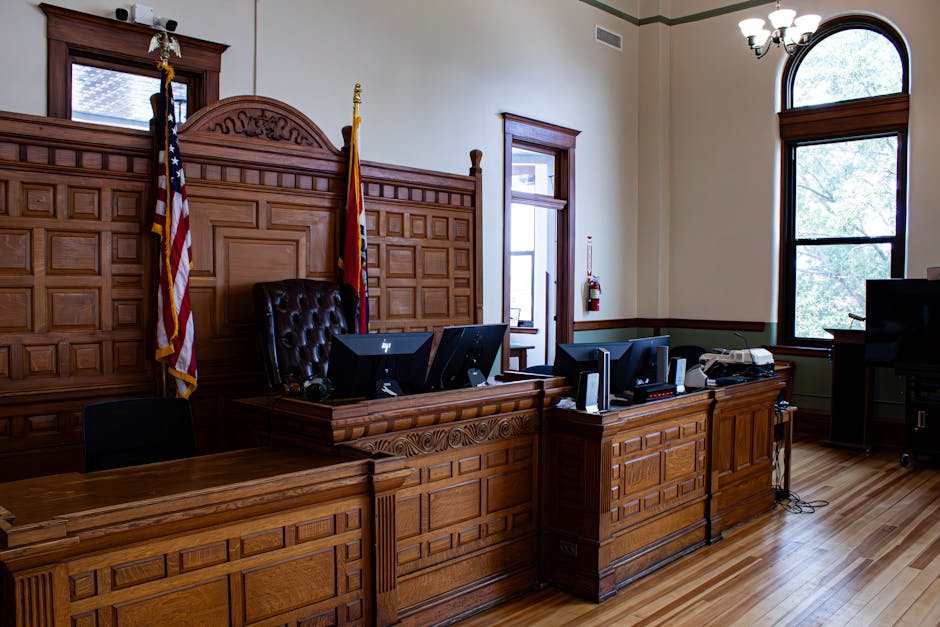
More than 200 people packed the Wharfinger Building in Eureka Thursday for a State Water Resources Control Board hearing on water rights allocations along the South Fork Eel River. Overflow seating was set up in the hallway. It wasn’t enough.
The hearing is part of a broader adjudication process that the SWRCB initiated in 2024, prompted by declining summer flows that have dropped the South Fork to as low as 14.2 cubic feet per second in August, well below the 30 cfs minimum that CDFW biologists say is necessary to support salmonid spawning habitat.
Three groups showed up to fight for the same water.
Cannabis cultivators
Approximately 60 licensed cannabis cultivators attended, many wearing green “Water Is a Right” stickers distributed by the Humboldt Cannabis Farmers Alliance. Their argument: licensed operations have already invested heavily in water storage, forbearance agreements, and dry-season curtailment measures mandated by the SWRCB’s Cannabis Policy.
“We built 120,000 gallons of rainwater catchment storage,” said Sarah Hollis, who operates a licensed farm near Redway. “We don’t pump from the creek between May and October. We did everything they asked. And now they want to cut our allocation further?”
The current Cannabis Policy requires cultivators within the South Fork Eel watershed to store enough water during the wet season (November through March) to avoid surface diversions entirely during the dry season. Compliance rates are high among licensed growers. The SWRCB’s own data shows 89% of permitted cannabis diversions in the watershed met forbearance requirements in 2025.
The problem, cultivators argue, is unlicensed operations that divert freely and face little enforcement.
Ranchers
The Humboldt County Cattlemen’s Association sent a delegation of roughly 30 ranchers, many with water rights predating 1914, the cutoff for “pre-1914 appropriative rights” that carry the highest legal priority in California’s water law hierarchy.
Their position is straightforward: senior rights holders should not bear reductions when junior users (including cannabis operations, most of which hold post-2015 permits) are still drawing.
“My family has been running cattle on this river since 1923,” said Tom Danforth, whose ranch sits on 1,200 acres along the South Fork near Miranda. “Our water right is older than most of the buildings in this room. If there’s not enough water, the newest users need to be the first ones cut.”
The SWRCB staff acknowledged the priority system but noted that adjudication could impose conditions on all users, including pre-1914 rights holders, if minimum instream flow requirements aren’t met.
Conservation groups
The third faction, environmental organizations including Friends of the Eel River, the Salmonid Restoration Federation, and the Northcoast Environmental Center, pushed for the most aggressive flow protections. Their proposed minimum is 45 cfs on the South Fork during dry months, 50% higher than the current CDFW recommendation.
Dr. Patrick Higgins, a fisheries biologist who has studied the Eel River watershed for over three decades, presented data showing that coho salmon populations in the South Fork have declined 78% since systematic monitoring began in 1994. He attributes approximately 40% of that decline to water temperature increases linked directly to reduced flows.
“Below 25 cfs, water temperatures in the South Fork exceed 18 degrees Celsius consistently by mid-July,” Higgins said. “That’s lethal range for juvenile coho. We’re not talking about inconvenience. We’re talking about extinction of a federally threatened species in this watershed.”
What happens next
The SWRCB will accept written comments through April 30. A second hearing is scheduled for June in Sacramento. Staff will prepare a preliminary allocation framework by fall 2026, with final adjudication expected no earlier than 2028.
The timeline frustrates everyone involved, but for different reasons.
“Two more years of uncertainty means two more years of people not investing in infrastructure,” Hollis said after the hearing.
Danforth put it more bluntly: “They’re going to study this until there’s no water left to argue about.”
The South Fork Eel River drains approximately 688 square miles. Its watershed supports an estimated 340 licensed cannabis operations, over 100 ranching operations, and habitat for coho salmon, steelhead trout, and Chinook salmon, all listed under the Endangered Species Act. How 14.2 cfs in a bad year gets divided among those competing needs is, by any measure, one of the most consequential resource decisions facing the North Coast.