Winter Steelhead Counts Surprise Biologists on South Fork Eel
CDFW snorkel surveys on the South Fork Eel River recorded 847 adult winter steelhead between December and early February, the highest count at those monitoring stations since systematic surveys began in 2009.
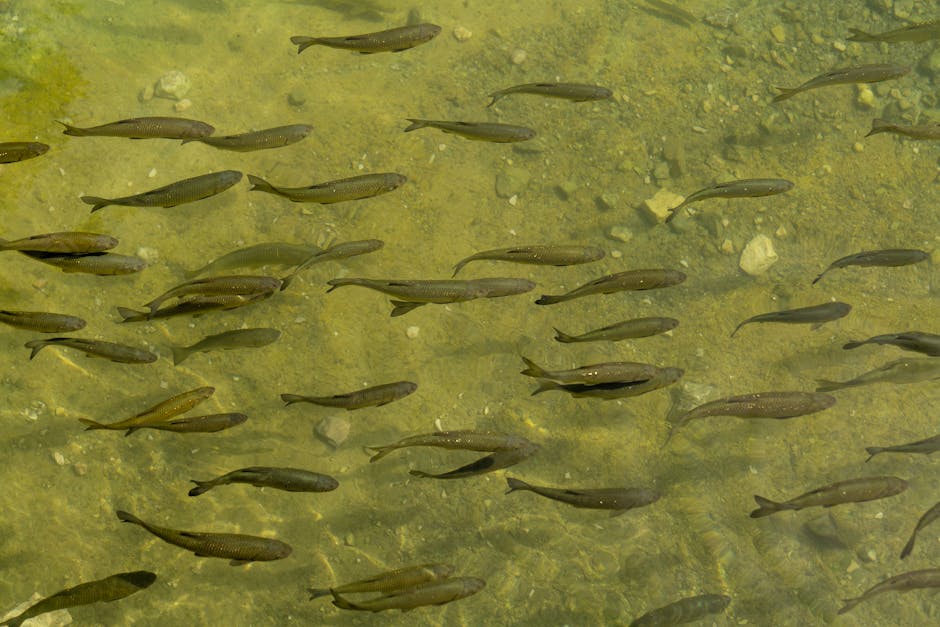
California Department of Fish and Wildlife snorkel surveys on the South Fork Eel River recorded 847 adult winter steelhead between December 1 and February 7, the highest count at those monitoring stations since systematic surveys began in 2009. The previous peak was 612 adults in the 2019-2020 season.
The surveys cover eight fixed monitoring reaches between Leggett and the confluence with the main stem Eel near Piercy, totaling approximately 14 river miles. Teams of two to four snorkelers swim each reach during low-flow windows, counting adult steelhead (Oncorhynchus mykiss, anadromous form) by size class. The protocol is standardized across years, which makes the trend data reliable even if total population estimates carry uncertainty.
“We don’t claim the snorkel counts represent the entire run,” said CDFW fisheries biologist Angela Moreno, who coordinates the South Fork monitoring program. “But the same reaches, same methods, same time of year, and we’re seeing a 38 percent increase over our best prior year. That’s significant.”
The strong showing tracks with conditions. The South Fork received 42.3 inches of rainfall between October and January, measured at the Leggett RAWS station. That is 11 percent above the 10-year average for the same period. More importantly, the precipitation arrived in a pattern favorable to migration: a series of moderate storm pulses rather than a single catastrophic event. River flows at the USGS gauge at Leggett ranged between 800 and 3,200 cubic feet per second during the primary migration window in December and January, well within the optimal range for adult steelhead passage.
Water temperatures also cooperated. The South Fork historically suffers from summer warming that stresses juvenile steelhead, but winter temperatures stayed between 44 and 52 degrees Fahrenheit through the survey period. No thermal barriers were observed.
Moreno said the count likely reflects multiple factors beyond this year’s hydrology. Habitat restoration work on the South Fork over the past decade may be contributing to improved spawning success and juvenile survival in upstream reaches.
The Eel River Recovery Project, a nonprofit based in Loleta, has coordinated large wood installations and riparian planting along several South Fork tributaries since 2015. The group has placed 340 engineered log jams across the watershed, designed to create the deep pools and cover that steelhead need for holding and spawning.
“We started seeing more redds in the restored reaches three or four years ago,” said Patrick Higgins, the organization’s senior fisheries advisor. “This year’s adult count is consistent with those juveniles coming back. The timeline fits. Steelhead in this system typically spend two to three years in the ocean before returning.”
The picture is not entirely positive. The South Fork Eel remains listed as impaired for sediment and temperature under the Clean Water Act. Legacy logging roads continue to deliver fine sediment to tributaries, burying spawning gravel in some reaches. CDFW’s long-term dataset shows that while the overall trend has been upward since the drought years of 2012 to 2015, the recovery is uneven. Some reaches show strong improvement. Others remain degraded.
Moreno pointed to the Rattlesnake Creek tributary as an example. “We’ve counted zero adult steelhead in Rattlesnake the last four years. The mouth is perched, the substrate is compacted. That’s a reach that needs work.”
The agency plans to continue surveys through mid-March to capture the tail end of the run. Final season numbers will be published in a report expected by June.
For a river system that was once written off by some biologists as too damaged to support viable steelhead populations, 847 adults is a number worth paying attention to. The fish are not out of trouble. But they are, for now, present in numbers that suggest the restoration investments are producing returns.