Wholesale Prices Hit New Low as Oversupply Crushes Small Farm Margins
Outdoor pounds are moving at $380 on the wholesale market, the lowest figure in the legal era. Legacy farms across southern Humboldt say the numbers no longer pencil out.
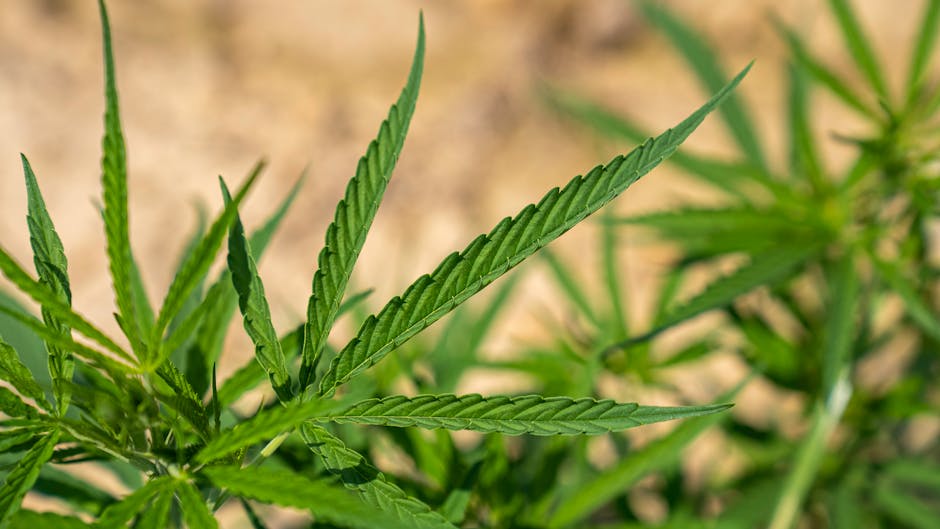
Outdoor pounds are trading at $380 on the Humboldt wholesale market this week, the lowest number anyone here can remember in the legal era. Even the old-timers who ran $600 loads down to the Bay in the ’90s say the current math is worse, because back then you didn’t need a state license, a compliance consultant, and a $15,000 annual permit renewal just to participate.
The price collapse has been building for two years, but Q1 2026 data from cannabis analytics firm Headset shows a sharper drop than the industry expected. Average wholesale flower prices in California fell 22 percent year over year, with outdoor and mixed-light hitting hardest. Indoor has held up slightly better, around $650 a pound for top-shelf, but even that number is down from $900 eighteen months ago.
For the small farms that define Humboldt’s identity, the situation is existential.
“I ran the numbers last week and my cost of production is $420 a pound, and that’s with my wife and me doing all the work ourselves,” said a permitted cultivator in the Redway area who asked not to be named because he is considering letting his license lapse. “At $380 wholesale, I am literally paying people to smoke my weed.”
The oversupply is structural. California issued cultivation licenses aggressively between 2021 and 2024, and the state’s total licensed canopy now exceeds consumer demand by an estimated 30 to 40 percent, according to a February report from the California Department of Cannabis Control. Large-scale operations in the Salinas Valley, Sacramento area, and desert regions south of Palm Springs have driven volume up while keeping their per-unit costs far below what a two-acre hillside farm in SoHum can achieve.
The Humboldt County Growers Alliance estimates that roughly 40 percent of the county’s permitted cultivators are currently operating at a loss or have paused production entirely. Alliance director Natalya Sanchez said the organization has seen a wave of members surrender their state licenses rather than pay renewal fees for permits they cannot profitably use.
“We’re watching the middle class of cannabis disappear,” Sanchez said. “The people who went legal, who did everything the state asked, who spent $50,000 or $100,000 on compliance, they’re the ones getting crushed.”
Some growers have pivoted to direct-to-consumer sales through on-farm retail permits, which the DCC began issuing in 2025. Others are banking on the appellation program to command premium prices for Humboldt-branded flower. But neither strategy has reached the scale needed to offset the wholesale crash.
Trim season hiring is already reflecting the contraction. Several staffing coordinators who work the harvest circuit in southern Humboldt said they expect to place 30 to 40 percent fewer trimmers this fall compared to 2024. One coordinator, based in Garberville, said two of her largest client farms have told her they plan to run dep cycles only and skip the full-season outdoor entirely.
“When a Humboldt farmer tells you they’re not running a fall cycle, that’s when you know the floor has dropped out,” she said.
The DCC held a public forum on market stabilization in Sacramento last month, but the proposals discussed, including a possible canopy reduction incentive program, remain in early stages. Assemblymember Jim Wood, who represents the North Coast, said his office is working on a legislative package that would offer tax relief to small cultivators, but no bill has been introduced.
Meanwhile, the illicit market continues to operate at scale. Law enforcement estimates that unlicensed production in California still exceeds legal production by at least two to one, and those operators carry none of the regulatory costs that permitted farms do.
“I didn’t go legal so I could lose money legally,” said one SoHum farmer who is now a year behind on his county permit fees. “But here we are.”