Spring Light Dep Season Brings Uncertainty for Small Growers
As outdoor cannabis season approaches, small licensed growers face a brutal math problem: input costs are up 15% while wholesale flower prices remain stuck near historic lows.
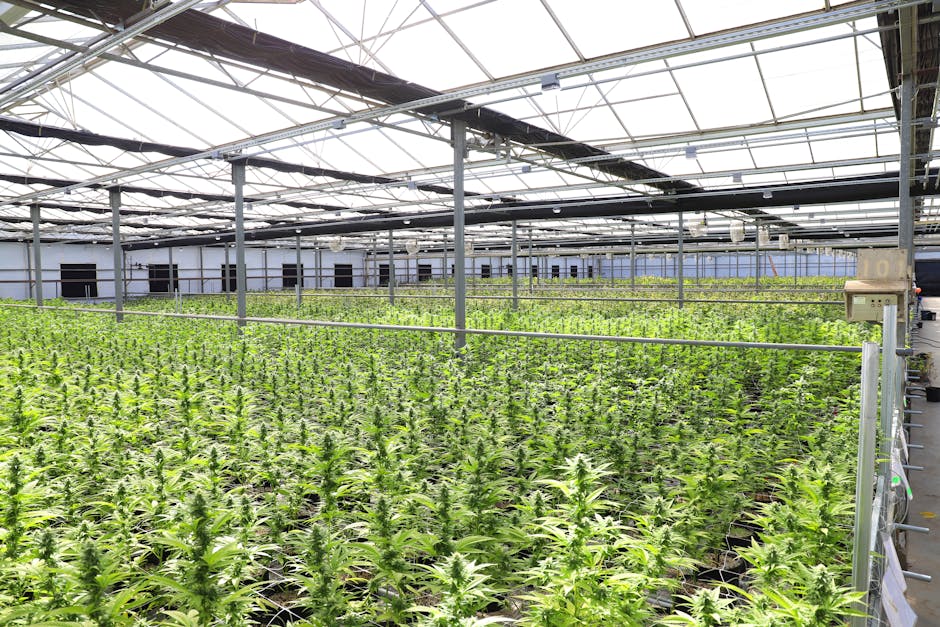
It costs roughly $38,000 to run a 10,000-square-foot dep this season. That’s soil amendments ($4,200, up 12% from last year), plastic and greenhouse materials ($2,800), labor for a four-person crew through October ($18,000 if you’re paying above board), water infrastructure maintenance ($3,500), compliance costs including Metrc tagging and testing ($6,200), and the annual DCC renewal ($2,300 for a small mixed-light license).
The return on that investment, at current wholesale prices? Maybe $45,000 if everything goes right. Probably less.
“I ran the numbers in January and almost didn’t start prepping,” said a licensed cultivator in Salmon Creek who asked to be identified only as Mike. “My margin last year was eleven percent. This year it might be five. And that’s if I don’t lose a single plant.”
The price problem
Wholesale outdoor and dep flower in Humboldt is moving at $400 to $600 per pound for mid-grade, $700 to $900 for top-shelf. Those numbers have barely budged since fall 2024. Indoor from the Central Valley and SoCal mega-farms continues to compress prices across the board, and the oversupply issue that everyone predicted when large-scale licenses opened up has arrived exactly as predicted.
The DCC’s quarterly market data (released last month) shows statewide average wholesale flower at $512 per pound. That’s a 34% decline from $776 in Q1 2023.
For context: most small Humboldt growers need $650 per pound just to break even. The math isn’t working.
Inputs keep climbing
Soil amendments from the North Coast’s main suppliers are up 15% year over year, driven by fertilizer costs and freight. Fox Farm (the go-to for half the hill) raised prices on Ocean Forest and Happy Frog in January. A pallet of Ocean Forest that cost $1,180 last spring now runs $1,360.
Greenhouse plastic is up too. The 6-mil light dep plastic that most operations use went from $0.12 per square foot to $0.14, a small increase per foot that adds up fast at scale.
Then there’s water. Growers on the flats with well water have it easier, but anyone hauling or on a spring-fed system is looking at pump repairs, storage tank maintenance, and the ever-present worry about the State Water Resources Control Board knocking on the door if their diversion permit isn’t perfectly current.
Some won’t plant at all
Three growers contacted for this story said they’re seriously considering sitting this season out entirely. One, a licensed cultivator near Blocksburg with a 5,000-square-foot canopy, said she’s leaning toward letting her license go dormant.
“I’ve been doing this since 215 days,” she said. “Legal market was supposed to be the way forward. But I’m subsidizing my farm with a part-time job in town now. That’s not sustainable.”
The DCC allows cultivators to place a license in “inactive” status for up to one renewal cycle without losing it. The renewal fee still applies ($1,150 for inactive small mixed-light), but at least you’re not burning through inputs and labor for a crop that might not cover costs.
Not everyone is pessimistic. Larger operations with distribution relationships and brand recognition are in better shape. Farms with direct-to-consumer licenses or farm stands (still rare in Humboldt, but growing) can capture retail margins that make the numbers work.
“If you’re selling pounds to a distributor in Oakland, yeah, it’s grim,” said Carlos Vega, who runs a 20,000-square-foot mixed-light operation near Garberville with a Type 13 distribution license. “But if you’re moving your own product into dispensaries, you can get $1,100, $1,200 a pound on the branded stuff. That changes everything.”
The problem is most small growers don’t have distribution licenses. They’re at the mercy of whoever shows up to buy.
Spring prep is underway across the county regardless. Starts are going into propagation trays. Greenhouses are getting new plastic. The season is happening whether the economics make sense or not. For a lot of growers on the hill, planting is what you do in March. The alternative is admitting that what they’ve built over decades might not survive the legal market.
That’s a harder conversation than any spreadsheet can capture.