Wholesale Prices Open the Year Below Four Hundred
Outdoor dep wholesale prices open 2026 at roughly $380 per pound, continuing a slide that has wiped out margins for most small-scale cultivators.
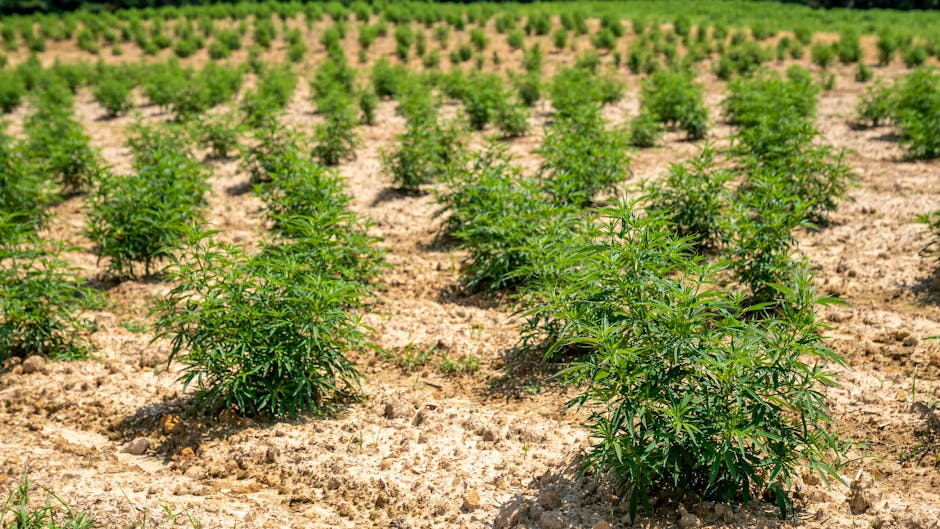
Outdoor deps are moving at $380 per pound in early January, according to four brokers and two distro operators who spoke with California Bud this week. That’s down from $420 at the same time last year and roughly half of where prices sat in January 2023.
The sub-$400 floor isn’t new. Prices dipped below that threshold briefly in October, recovered slightly during the holiday bump, and have now settled back down. What’s new is the resignation. Nobody’s expecting a bounce.
“I’ve stopped telling people it’ll come back,” said one Willow Creek broker who asked not to be named. “The guys still growing at scale, they’re fine. Everybody else is doing math on a napkin and the napkin says quit.”
The numbers
Mixed-light deps (the bulk of what moves through Humboldt distro channels) are tracking at $350 to $410 per pound, depending on testing numbers and trim quality. Indoor is holding between $800 and $1,200 for top-shelf, but that’s a different market with different economics.
For context: the breakeven point for a typical one-acre outdoor operation in SoHum, including compliance costs (Metrc tagging, CoA testing, DCC annual license fees, county cultivation tax), sits around $500 per pound. At $380, every pound sold is a loss.
The math gets worse when you factor in 280E. Federal tax treatment still prohibits standard business deductions for cannabis operators, which means a farm losing money on paper can still owe five figures to the IRS.
“280E is the thing that turns a bad year into a bankruptcy,” said Emerald Grown co-op member Luis Delgado. “You’re underwater on product and then the government takes another 30, 40 percent off the top of your gross. It’s, I mean, it’s insane.”
Who’s still standing
The farms surviving at current prices share a few characteristics. They run lean (under five employees during peak). They have at least partial direct-to-consumer channels through retail partnerships or their own branded product lines. And most of them diversified into processing (pre-rolls, concentrates) rather than selling raw flower into the wholesale market.
Multi-state operators and vertically integrated companies continue to absorb market share. Three large operations in the Sacramento Valley reportedly contracted over 200,000 pounds of 2025 outdoor harvest at prices Humboldt growers couldn’t match.
The small farm squeeze has been the story of California cannabis for three years running. What’s different in 2026 is the narrowing of the middle. The operators between one and five acres (traditionally the backbone of the Humboldt industry) are the ones dropping out fastest.
DCC license data tells part of the story. Active cultivation licenses in Humboldt County dropped from 1,847 in January 2024 to 1,412 in January 2025. Current numbers won’t be official until the DCC publishes Q1 figures, but three industry groups estimate the count is now below 1,200.
What would help
Growers and advocates have a short list. Federal rescheduling (which would eliminate 280E) is the big one, but the timeline remains uncertain even after the DEA’s 2025 proposed rule. State-level tax reform has stalled in Sacramento. County-level cultivation tax reductions have been discussed in Humboldt but not enacted.
The interstate commerce question looms. If the federal government opens the door to cross-state sales, Humboldt’s brand recognition could become its biggest asset. Or California’s oversupply could flood new markets and crater prices further. Nobody knows.
“We’re famous and broke,” Delgado said. “That’s where we’re at.”
For now, the market is what it is. Brokers expect prices to hold in the $350 to $400 range through Q1, with potential softening in Q2 as last year’s harvest inventory continues to move. Light dep planning for the 2026 season is underway, though several growers told California Bud they’re reducing canopy by 20 to 40 percent.
One Redway cultivator put it simply: “I’m not planting anything I can’t move myself. The days of growing it and hoping are over.”