Emerald Cup Winners Show Trend Toward Landrace and Heritage Genetics
This year's Emerald Cup results reveal a clear shift: judges and consumers are gravitating toward landrace revivals and heritage crosses over the high-THC exotics that dominated recent competitions.
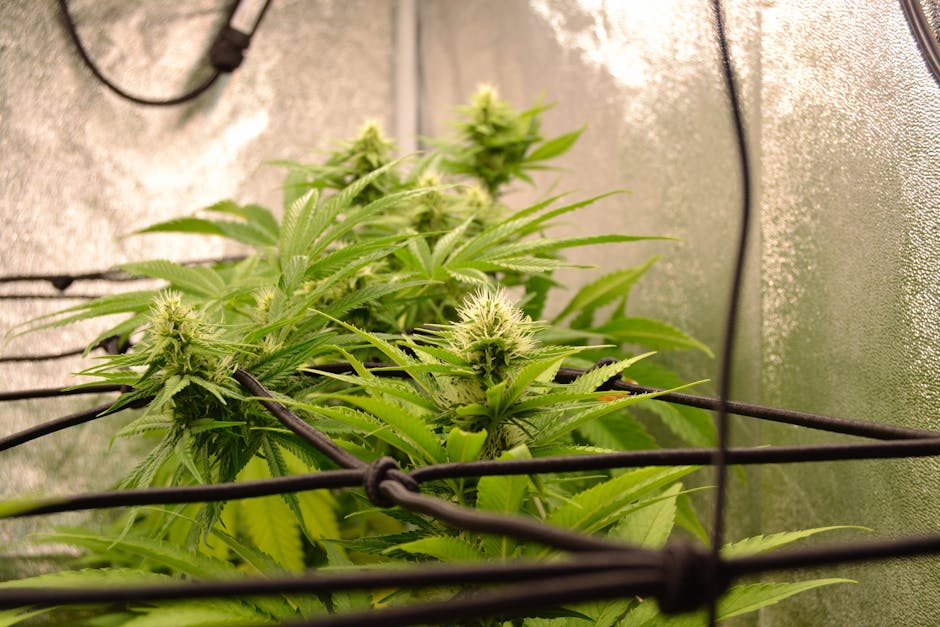
The Emerald Cup released its 2026 competition results last weekend, and the winning entries tell a story that anyone paying attention to Humboldt flower already knows: the hype strains are losing ground. Four of the top ten entries in the outdoor flower category featured landrace or heritage genetics: Colombian Gold crosses, Afghan lines, a Maui Wowie throwback, and a Humboldt-bred Skunk #1 preservation that hasn’t been commercially available in over a decade.
Two years ago, the Emerald Cup podium was dominated by Runtz crosses, Zkittlez variants, and whatever exotic the Bay Area dispensary market was chasing that month. THC percentages above 30 were the price of entry. If your flower didn’t look like it was rolled in sugar and smell like a candy store, the judges moved on.
That era appears to be winding down.
“I think people are tired of the same flavor profile pushed to the absolute limit,” said Emerald Cup founder Tim Blake, who has run the competition since 2003. “Judges are looking for complexity, for something that makes you stop and think. Landrace genetics have that. They have character.”
The top outdoor entry, submitted by a small farm in the Salmon Creek area of southern Humboldt, was a Colombian Gold crossed with a local Humboldt sativa that the grower has been working for eight generations. The flower tested at 19 percent THC, a number that would have been disqualifying in the exotic era, but scored highest on terpene diversity and overall experience.
“Nobody cares about 19 percent if the smoke is boring,” the grower, who uses the farm name Ridgeline Seed Co., said after the results were announced. “And nobody remembers 34 percent if the high is flat and one-dimensional.”
The heritage genetics trend has been building for several seasons. Seed companies like Heirloom Humboldt and Mendocino Heritage Seeds have reported increased demand for older lines: Afghan Kush, Thai, Durban Poison, Acapulco Gold, and region-specific landraces that were common on North Coast farms in the 1980s and ’90s but fell out of commercial favor as the market chased potency numbers.
Part of the shift is practical. Landrace and heritage varieties tend to be hardier outdoors, more resistant to mold and pests, and better suited to the North Coast’s marine climate than many of the indoor-bred exotics that struggle with coastal humidity. Growers running dep or full-season outdoor cycles have found that heritage genetics produce more reliably in their conditions, even if the final THC number is lower.
Part of it is consumer-driven. Dispensary buyers, particularly in the Bay Area and Los Angeles, have reported growing demand for lower-THC, terpene-rich flower from customers who say the highest-testing products are too intense for regular use.
“I have customers who specifically ask for something under 20 percent,” said a dispensary buyer for a chain with locations in San Francisco and Oakland. “They want to smoke a joint and still function. The 35-percent stuff puts people on the couch.”
The Emerald Cup’s mixed-light category told a similar story. The second-place entry was a Malawi Gold grown under supplemental light in a greenhouse near Redway. The third-place entry was an heirloom Purple Kush that the grower said came from a cutting passed around the Arcata area in the late 1990s.
Blake said the judging criteria have not changed. Aroma, flavor, effect, and overall quality are still the four pillars. But the pool of entries has shifted, and the judges are responding.
“The Emerald Cup was always about what grows here and what this place produces,” Blake said. “For a while, the industry tried to turn every farm in the Triangle into an indoor clone of a Southern California operation. That was never going to work. The land has its own genetics, and the best growers are going back to them.”
Full results are available on the Emerald Cup website. The 2027 competition entry period opens in January.